
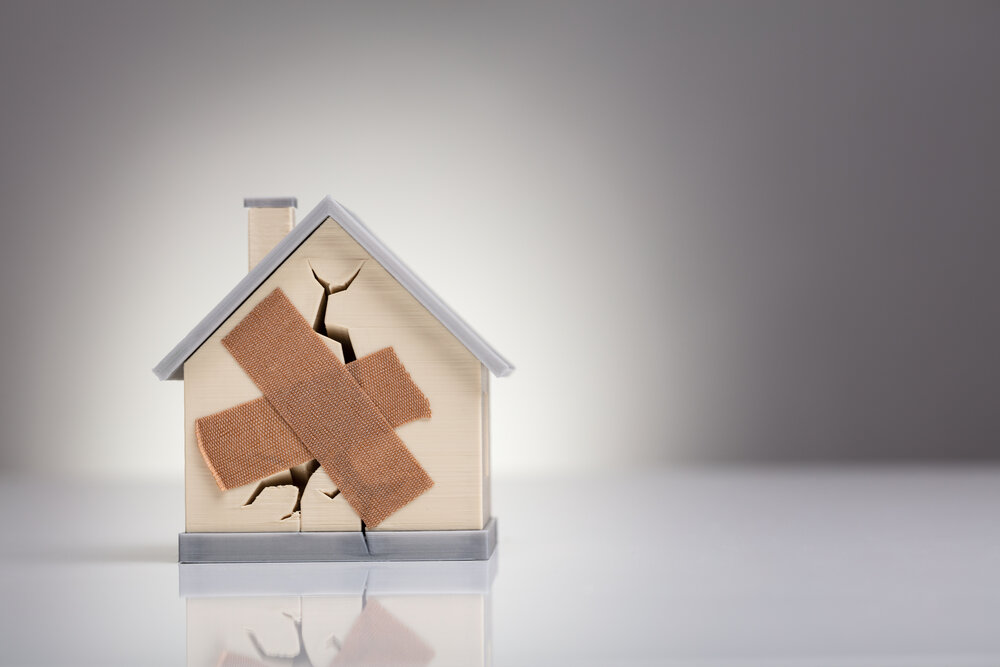
When disaster strikes, whether it’s fire, water damage, mold, or structural failure, the first priority is getting homes safe and livable again. But restoration doesn’t always mean throwing everything away and starting from scratch. Today, more homeowners are asking a powerful question:
How much of a damaged home can be saved, reused, or recycled instead of ending up in a landfill?
The answer: more than most people think.
At Fischer Restoration, sustainability has always been part of how we work. Every restoration or remodeling project is an opportunity not only to rebuild, but to rebuild smarter by reducing waste, preserving usable materials, and extending the life of valuable components.
In this article, we’ll explore what materials can often be recycled or reclaimed during restoration, how the process works, and how this approach benefits both your home and the environment.
The Environmental Challenge of Traditional Demolition
Home restoration generates a surprising amount of waste. According to the EPA, construction and demolition debris accounts for more than twice the volume of household trash in the U.S. each year. Traditional demolition often follows a simple equation:
Remove everything → throw away what’s damaged → buy new materials
But in many cases, significant portions of a home, including materials with historical or financial value, can be safely reused or recycled instead. Sustainable restoration flips the mindset:
Remove carefully → assess → salvage → reuse or recycle → replace only as needed
This approach is more than just “green”. It can also save money, preserve architectural character, and fast-track certain parts of the project.
Materials That Can Often Be Recycled or Reused
1. Structural Lumber
Even in fire or water damaged homes, a surprising amount of framing lumber can be dried, cleaned, and reused. Salvaged wood is often stronger and more stable than new, especially in older homes built with old-growth material you can’t buy today. Potential uses include:
- Reinstalled framing
- Blocking and internal support
- Refinished for decorative elements
2. Flooring
Hardwoods, stone, tile, and even premium vinyl products can often survive disasters when removed correctly. We commonly see:
- Hardwoods sanded and refinished
- Tile cleaned and reinstalled
- Stone resurfaced for countertops, hearths, or materials reuse
If flooring can’t be saved, materials like ceramic, porcelain, and engineered hardwood can still be recycled.
3. Cabinets and Built-Ins
Custom or higher-grade cabinets can often be:
- Cleaned
- Refinished
- Repainted
- Reinstalled in remodeled layouts
Even damaged cabinets may be salvageable by replacing only:
- Drawer boxes
- Doors
- Hardware
4. Doors and Trim
Doors, casing, baseboards, and molding often clean up beautifully after smoke or water damage. Many styles, especially in older homes, can be extremely costly to replace today.
5. Metal Components
Many metals can be recycled, including:
- Copper wiring
- Metal roofing
- Aluminum gutters
- Steel studs
- Appliances
This can reduce landfill waste and sometimes even provide scrap rebates.
6. Masonry and Brick
If removed correctly, brick and stone can be:
- Re-cleaned and re-used
- Crushed for fill or sub-base material
- Repurposed for outdoor projects
When Materials Can’t Be Reused but Can Be Recycled
Some items may not be practical to reinstall but can still be responsibly diverted from disposal.
Examples include:
- Asphalt shingles → recycled into road materials
- Drywall → processed into gypsum soil amendments
- Glass → melted and reformed
- Carpet → recycled into new carpet fibers or insulation
Even damaged materials may still serve a second life through recycling streams Fisher coordinates through trusted partners.
How Sustainable Restoration Works
Step 1: Assessment
Before work begins, we determine:
- What is structurally sound
- What can be cleaned or dried
- What can be removed intact
- What materials have specific recycling destinations
Step 2: Selective Deconstruction
This is different from demolition. Instead of tearing down, we remove materials strategically and carefully, preserving anything with reuse potential.
Step 3: Cleaning, Drying, or Remediation
Materials intended for reuse undergo professional processes such as:
- HEPA vacuuming
- Air scrubbing
- Deodorization
- Drying and moisture testing
- Sanitization
- Mold or smoke remediation
Step 4: Integration Into Restoration or Remodeling
Because Fischer also performs remodeling, salvaged materials can often be reintegrated into:
- The restored space
- A redesigned layout
- Upgraded finishes
Sometimes the disaster becomes the starting point for a beautiful, and sustainable, improvement.
The Advantages of Reusing and Recycling in Restoration
Environmental Benefits
- Less landfill waste
- Reduced demand for new materials
- Lower emissions associated with manufacturing and shipping
Preserves Character
Older homes often include materials that:
- Are no longer produced
- Have unique craftsmanship
- Carry historical personality
Reusing them helps maintain architectural charm.
Saves Money
- Less new material required
- Reduced disposal fees
- Faster installation when existing materials fit the space
Supports Insurance and Documentation
Clear salvage vs. replacement assessments can strengthen insurance claims and demonstrate due diligence.
Not Every Material Can (or Should) Be Saved
Some items must be replaced outright due to:
- Structural compromise
- Mold or biological contamination
- Safety code requirements
- Permanent smoke or chemical damage
- Hazardous material exposure (asbestos, lead, etc.)
Part of professional restoration is knowing what’s savable—and being honest about what’s not.
Takeaways
Recycling and reusing building materials isn’t just a feel-good idea. It’s an increasingly valuable approach to restoration that:
- Respects the environment
- Protects your budget
- Preserves the identity of your home
- Delivers high-quality results
Whether it’s restoring a home after a disaster or remodeling to improve functionality, Fischer Restoration helps homeowners make the most of what they already have, while rebuilding better for the future.
If you’d like assistance evaluating damage, potential material salvage, or next steps after a loss, our team is ready to help.