
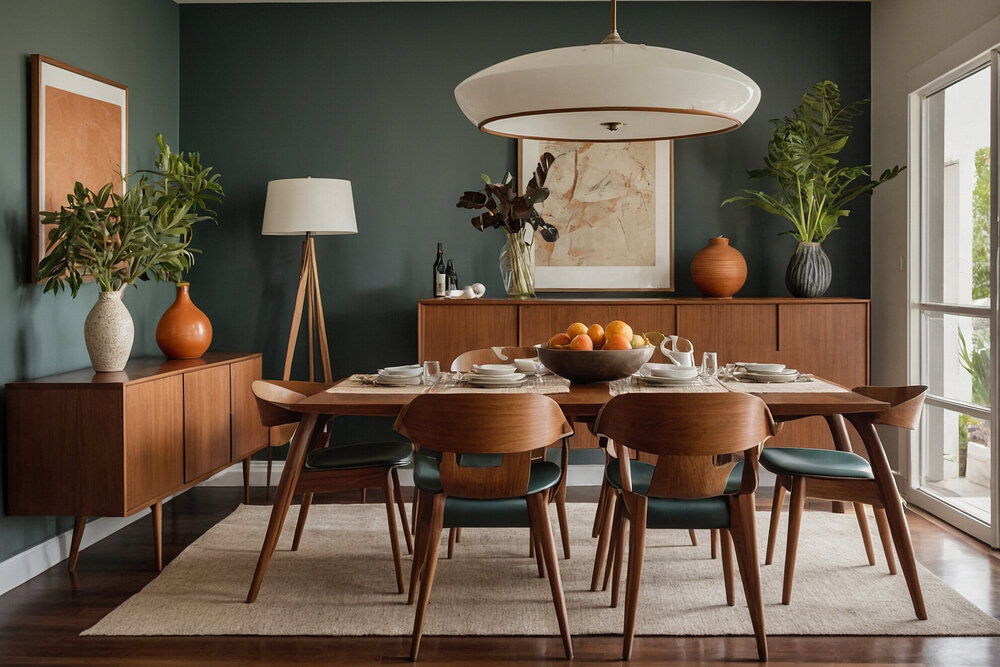
Mid-century homes don’t need to be reinvented. They need to be understood.
Across the Seattle area, these homes still stand out for a reason. The lines are clean. The windows are generous. The connection to the outdoors feels intentional, not accidental. Even modest ranches and split-levels often have a quiet architectural logic that newer homes miss.
The challenge is not whether to update them. It is how to do it without flattening everything into a generic, open-concept layout that could belong anywhere.
Done well, a remodel should feel like the house grew into itself.
Start With What Makes the House Worth Keeping
Before plans, before demolition, before inspiration boards, spend time walking the house with a different mindset. Instead of asking what needs to change, ask what cannot be replaced.
It might be the way light moves through a wall of windows in the afternoon. It might be a run of original wood paneling or the proportions of a brick fireplace anchoring the living room. Even built-ins that feel dated at first glance often carry more weight than you realize.
Take photos. Pay attention to materials and sightlines. If you can find older listing photos or original plans, even better. The goal is to separate what is original from what was added later, because those later changes are often where the layout started to drift.
Where Mid-Century Layouts Fall Short
For all their strengths, these homes were not designed for how people live today.
Kitchens tend to be closed off and undersized. Entryways can feel tight and undefined. In split-levels, movement between floors is often awkward, with spaces that feel disconnected rather than cohesive.
You do not need a full gut renovation to fix these issues, but you do need to be honest about them. Notice where people naturally bottleneck, and which rooms feel underused. Notice where light gets cut off even though windows are nearby.
Those friction points should guide your decisions more than trends.
Opening Things Up Without Losing the Plot
It is tempting to remove walls and call it a day. Sometimes that works, but often it erases the very structure that gives the home its character.
A better approach is selective opening.
Instead of turning the entire main floor into one large space, think about how rooms can relate to each other more clearly. A wide opening between kitchen and dining room can completely change how those spaces function. A peninsula can create connection while still giving the kitchen a sense of boundary. Even widening a hallway or opening a stairwell can improve flow in a meaningful way.
These moves are subtle, but they respect the original design instead of overriding it.
The Structure Will Have a Say
One thing mid-century homes do well is stretch space horizontally. Long rooflines and large window walls are part of the appeal, but they also mean the structure is doing more than it might appear.
That is why layout changes need to be grounded in a real understanding of how the house is built.
Sometimes a wall you want to remove is carrying more load than expected. Other times, a new beam or post is required to make an opening work. The good news is that these structural elements do not have to be hidden. In many cases, they can become part of the design language, reinforcing the mid-century feel instead of clashing with it.
Rethinking the Kitchen Without Erasing It
If there is one space that transforms a mid-century home, it is the kitchen.
Most were designed to be compact and separate, which does not align with how people cook, gather, and entertain now. Opening them up is often the right move, but the way you do it matters.
An oversized island in a fully open room can feel out of place. A more balanced approach is to improve connection while keeping some definition. A peninsula, a partial opening, or even just better alignment with the dining area can go a long way.
Material choices help carry the design. Flat-panel cabinets, warm woods, and simple finishes keep the space grounded in its era, even as the layout becomes more functional.
Bathrooms That Feel Intentional, Not Generic
Bathrooms are where it is easiest to lose character.
The original versions may be small, but they often have personality through tile, color, or layout. The goal is not to preserve them exactly as they were, but to carry that sense of intention forward.
Sometimes that means borrowing a bit of space from an adjacent closet or hallway to improve flow. Other times it means reworking the fixture layout so the room feels less cramped. What matters is that the result feels considered, not like a template dropped into place.
Even simple choices like tile scale or color palette can quietly reference the home’s roots without locking you into a dated look.
The Features That Do the Heavy Lifting
Every mid-century home has a few elements that define it. Lose those, and everything else starts to feel interchangeable.
A fireplace, for example, is rarely just a fireplace. It is a focal point, often tied directly to the proportions of the room. The same goes for exposed beams, wood ceilings, or original built-ins.
These features might need updating, but they are almost always worth keeping. Refinishing, repainting, or subtly reworking them tends to produce better results than replacement.
Even window updates should be approached carefully. Changing the size or rhythm of openings can alter the feel of the entire home, especially from the exterior.
What Happens Behind the Walls Matters Too
While the visible changes get the attention, the hidden upgrades are just as important.
Mid-century homes were built with different standards for insulation, electrical systems, and mechanicals. A remodel gives you access to improve all of that at once.
Better insulation and air sealing can make the home more comfortable year-round. Updating plumbing and electrical systems can prevent future issues and support modern needs. These are not the flashy parts of a remodel, but they are often the ones you appreciate most over time.
A More Cohesive Way to Live in the Space
Imagine a typical split-level. The kitchen is tucked away. The dining room is rarely used. The living room faces the wrong direction.
With the right changes, that same home can feel completely different. Open the connection between kitchen and dining. Strengthen the relationship to the backyard with better windows or doors. Simplify the entry and stair experience so movement through the home feels natural.
None of those changes require abandoning the original design. They simply allow it to function the way it always should have.
Let the House Lead
The best mid-century remodels don’t feel like transformations.
They feel like clarifications, taking what was already there and make it more usable, more comfortable, and more connected to daily life. They respect the original intent while quietly improving the experience of living in the home.
If you approach your remodel with that mindset, you will not end up with something generic.
You will end up with a home that still feels like itself, just better.
If you’re exploring other classic Seattle styles, take a look at our guide to remodeling Craftsman homes.